 English
 Indian
 العربية
 Español
 Deutsch
 Türkçe
 Русский
 Français (Afrique)

Blades Brown (19) will Jason Days Rekord als jüngster Korn-Ferry-Aufsteiger brechen


Beim Saisonfinale der Korn Ferry Tour in Virginia hat ein 19-Jähriger die Chance auf einen Eintrag in die Geschichtsbücher. Die besten 20 der Abschlusswertung erhalten die Spielberechtigung für die PGA Tour 2027. Schafft Brown das, wäre er nach Angaben der PGA Tour der jüngste Spieler, der sich jemals über die Korn Ferry Tour eine Karte für die PGA Tour gesichert hat.
Day hält den Rekord seit fast zwei Jahrzehnten
Die bisherige Bestmarke hält Jason Day. Der Australier war laut PGA Tour 19 Jahre, 11 Monate und 23 Tage alt, als er sich seine PGA-Tour-Mitgliedschaft über die damalige Nationwide Tour sicherte. Brown wäre am Ende der Turnierwoche erst 19 Jahre, 4 Monate und 20 Tage alt und würde Days Rekord damit um mehr als ein halbes Jahr unterbieten.
Gespielt wird im The Federal Club in Glen Allen bei Richmond. Die Finalrunde ist für Sonntag, den 11. Oktober, angesetzt.

Ohne College direkt zu den Profis
Brown wurde am 21. Mai 2007 in Nashville (Tennessee) geboren. Er wurde schon mit 17 Jahren Profi und ließ das College aus. Bereits als Amateur sorgte er für Schlagzeilen: Mit 16 Jahren wurde er bei der U.S. Amateur 2023 bester Spieler der Zählspiel-Qualifikation und damit der jüngste Medalist in der Geschichte des Turniers. Er brach dabei einen mehr als 100 Jahre alten Rekord von Bobby Jones. Diese Ehrung erhielten vor ihm unter anderem Tiger Woods, Phil Mickelson, Jordan Spieth und Scottie Scheffler.
Sein erstes Profijahr 2025 spielte Brown überwiegend auf der Korn Ferry Tour. Bei der Veritex Bank Championship wurde er Zweiter.
60er-Runde und Sonderstatus auf der PGA Tour
Für Aufsehen sorgte Brown im Januar 2026 bei The American Express. Auf dem Nicklaus Tournament Course spielte er eine 60 (zwölf unter Par) und stellte damit einen neuen Platzrekord auf. Im Mai wurde er bei der CJ Cup Byron Nelson geteilter 14. Mit diesem Ergebnis erhielt er Special Temporary Membership auf der PGA Tour und durfte für den Rest der Saison 2026 unbegrenzt Sponsoreneinladungen annehmen.
Auf der Korn Ferry Tour kam er laut PGA Tour in dieser Saison dreimal aufs Podium. Über beide Touren hinweg sammelte er zehn Top-20-Ergebnisse.
Brown ist sich bewusst, dass sein Weg ungewöhnlich ist. „Ich weiß, dass mein Weg auf die PGA Tour ein sehr ungewöhnlicher ist“, sagte er laut PGA Tour. „Das liegt vor allem an meinen Eltern.“ Die PGA Tour sei schon immer ein Traum von ihm gewesen. Über die Korn Ferry Tour sagt er: „Gutes Golf regelt alles.“
Junge US-Talente drängen nach oben
Brown ist nicht der einzige Teenager, der die Altersrekorde auf der zweiten Liga der PGA Tour durcheinanderbringt. Sportskeeda berichtet, dass der Südafrikaner Aldrich Potgieter mit 19 Jahren, vier Monaten und elf Tagen jüngster Turniersieger der Korn Ferry Tour wurde. Auch diesen Rekord hatte zuvor Jason Day gehalten. Ob Brown nun auch Days zweite Bestmarke übertrifft, entscheidet sich am Sonntag in Virginia.
The post Blades Brown (19) will Jason Days Rekord als jüngster Korn-Ferry-Aufsteiger brechen appeared first on Golf Post.
Finn Jones teases Heroes For Hire arc in Daredevil: Born Again season 3
In an exclusive interview with GamesRadar+ at New York Comic-Con, Finn Jones revealed that he and a friend may be going into business together in Daredevil: Born Again. The third and final season of the Disney+ show will reunite him with his former Defenders, including Jessica Jones (Krysten Ritter) and Luke Cage (Mike Colter). However, fans may be most excited to see Jones and Colter back together, as the two could finally partner up as the Heroes for Hire.
Speaking about the superhero reunion that's been almost a decade in the making, Jones talked about what it feels like to be back on the beat as part of the street-level team. That's before he let slip that the sought-after partnership between Luke and Danny will appear in some form or another in the new season.
"It's weird. I've never been a part of a cast where the chemistry is just so innate, not only with the actors but also the way the characters interact with each other. It's special. The Defenders are special," assured Jones. Of course, with Matt behind bars, Danny and Luke have to step in and, well, defend New York City, presumably while Jess rolls her eyes at them for the umpteenth time, which is exactly what we want. "The more they can flesh that out, the more the fans are gonna be happy because the fans really want it. Especially between me and Mike and Heroes for Hire," hinted Jones. "Something like that, I know people are desperate for. We'll get a glimpse of that maybe in season 3 of Daredevil."
It was always the hope that eventually we'd see Luke and Danny set up Heroes for Hire Inc. in the MCU. The company that was established by the two super friends in 1978 provided both protection and investigation services for the right fee. Previous clients have included Tony Stark and even Doctor Doom, who got a pasting from Luke Cage after trying to scam him out of $200. The company continued for years, with other heroes signing up to provide their services, including Scott Lang's Ant-Man, Ghost Rider, and Spider-Man.
It remains to be seen how much the Heroes for Hire will be involved in Born Again season 3. Could we see Luke and Danny in lengthy stakeouts monitoring the activities of Wilson Fisk (Vincent D'Onofrio)? Will Luke ask anyone at one point, "Where's my money, honey?" We'll have to wait until the show returns next year to find out. For every other upcoming MCU movie and show, check out our guide.
2026's OLED monitors can nearly recreate the sublime clarity of a '90s CRT, but Windows will have to change before we can achieve true nirvana
The 2007 season finale of TV phenom Lost ended with an all-timer twist: What had seemed like the show's routine flashback storyline, filling in the events that preceded its characters ending up in island purgatory, was actually a flash forward. Protagonists Jack and Kate were somehow safe in Los Angeles after three seasons of being stuck on the mysterious island. Escaping had been the whole point of the show—or so we thought, until a broken Jack cried "We have to go back!"
This is now how I feel about, frankly, a lot of technology. Not long before that episode aired I'd gleefully dropped $1,000 on my first HD display, a 26-inch 1366x768 Samsung LCD that served as my college dorm TV and doubled as my computer monitor. For the time it was state of the art, so much thinner and sharper and better than the CRT monitor still attached to the family PC.
Or was it?
Twenty years later, experts who are tuned into the minutia of display tech are still trying to get back what we lost.
"People older than 40 will generally remember the motion clarity of CRTs, while younger people who've never seen a CRT will not remember," says Mark Rejhon, founder of the website Blur Busters. For years, Blur Busters' "Test UFO" browser tool, starring a little green man in a red saucer, has served as the de facto way to judge the clarity of objects in motion on modern displays. Compared to older CRT monitors, the LCDs of the mid-2000s were particularly terrible, their pixels taking an eternity to change from one color to another and leaving a nasty "ghost" trail on fast-moving images.
The TV I spent an entire month's paycheck on was better than average for its day, but the novelty of the HD era made me overlook then what's far more obvious now: the richer colors and smoothness of a CRT that I gave up, and wouldn't get back for nearly two decades.
Today's high refresh monitors are far better than the smeary, washed out LCDs of the 2000s—but even the best of the best are still chasing the clarity of CRTs, which means Rejhon is chasing it too.
Cathode ray 'tude
While ShaderBeam tries to eradicate motion blur in software, Nvidia's tackling it in hardware. G-Sync Pulsar (built into a range of gaming monitors this year) works with VRR and uses backlight strobing plus a rolling top-to-bottom refresh cycle, much like a CRT, to create a "perceived clarity" of 1,000 Hz. No OLEDs yet, though, and the tech is of course locked to Nvidia GPUs.
In late 2024 Rejhon debuted a "breakthrough algorithm for simulating a CRT tube" alongside former Nvidia developer Timothy Lottes, which takes advantage of 240+ Hz displays to drastically reduce visible motion blur in retro games and other content that's locked at 60 Hz.
The trick, to grossly simplify some extremely complicated tech, is recreating the visual "phosphor fade" of a CRT, which is gentler on the eyes and less flickery than harsh black frame insertion (BFI), the previous go-to method for cutting down on blur as pixels swap from one color to another.
"The two main ways to reduce display motion blur is either flicker the frames (like a CRT) or add more frame rate (for high Hz)," Rejhon said. "Both methods will show frames more briefly, like a fast camera shutter, and result in less display motion blur. CRTs could flicker pixels brightly for less than 1/1000 second. The bonus with CRT is you do not require more frame rate to achieve low motion blur."

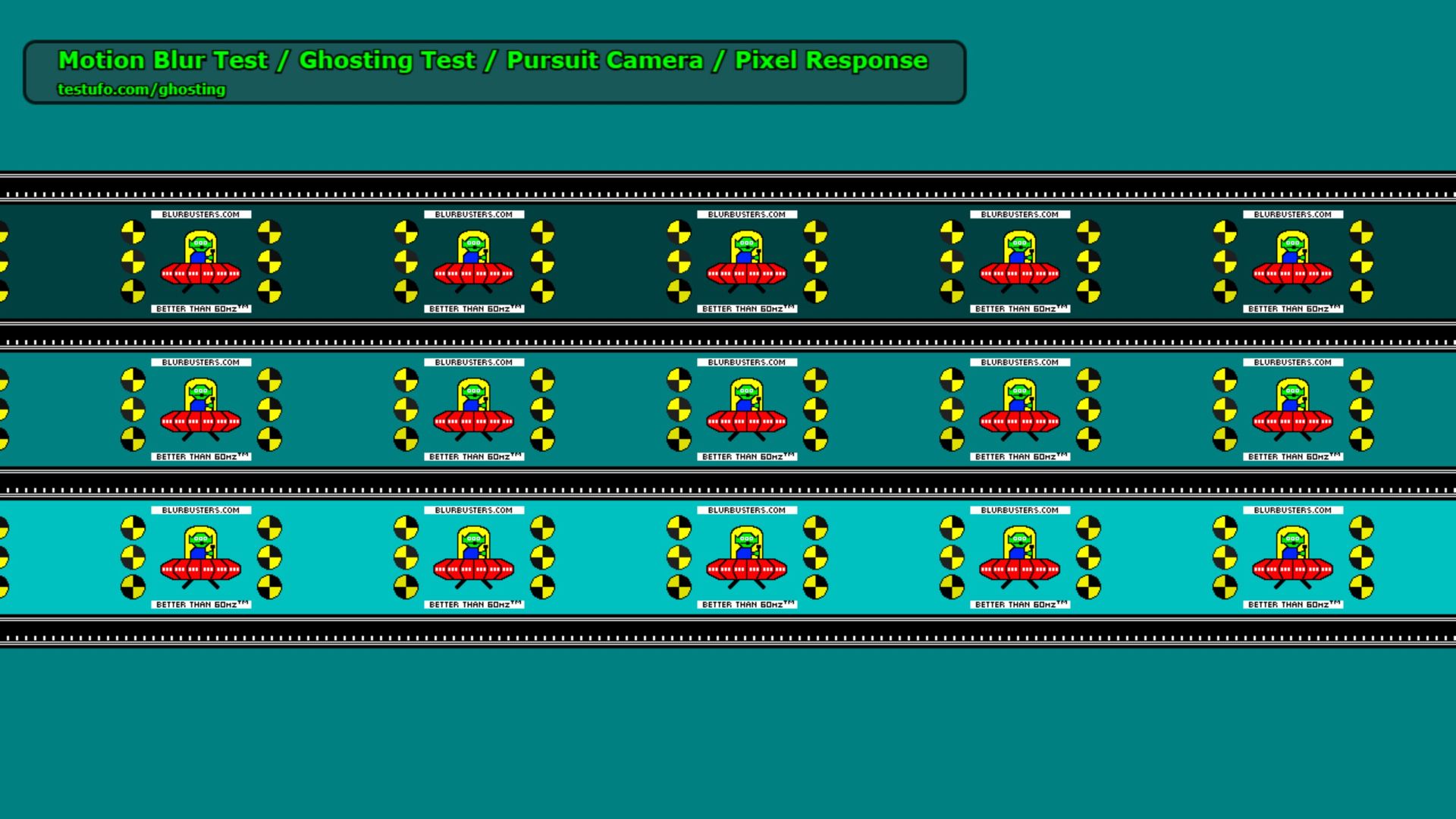
If that's still tough to wrap your brain around, think of the CRT simulation as DLSS, but for motion instead of resolution: When it's working just right, a game locked at 60 frames per second could look just as smooth and clean as one running at, say, 540 frames per second, without needing an RTX 5090 to hit those numbers.
540 Hz is the refresh rate of the ROG PG27AQWP-W Asus sent me for testing, an ideal monitor for getting the most out of CRT simulation. It even has a 720 Hz mode if you drop the resolution to 720p; and the higher the refresh, the more you can reduce the perceived motion blur. Unlike LCDs, OLED panels can go completely black (there's no backlight to bleed light) and get extremely bright, getting much closer to the contrast CRTs naturally offered. And the high refresh rate helps recreate the electron beam that would travel down a CRT screen to "draw" the image.
This effect isn't just a nostalgia thing: As Rejhon notes on BlurBusters, "60 Hz BFI and strobing flickers a lot" because you're flashing a black frame in between each one from your game. By comparison, the top-to-bottom scanning effect is less harsh: "CRT simulation is much gentler for 60 fps content, because of phosphor fade & rolling scan. Some light is emitted somewhere else on the screen all the time."
Despite the perfect hardware to test on, though, CRT simulation is so bleeding edge I practically sliced my brain to ribbons trying to get it working earlier this year.
The first actual implementation of BlurBusters' tech was in a shader for the emulation frontend Retroarch, but soon after it was built into an experimental branch of a standalone app called ShaderGlass, a great overlay for Windows that lets you apply hundreds of visual effects to whatever's on your desktop—scanlines, the fuzziness of an analog video signal, and so on. But the CRT beam simulation is so much more complex than a typical video shader, app developer Mausimus decided to split it off into a separate tool: ShaderBeam.
"The ideal application of beam simulation technology requires perfect synchronization with both the display (it cannot afford to drop a single frame even at those high refresh rates, since that causes very noticeable flashing) and input content (for aligning source frame generation with simulated CRT refresh rate)," said Mausimus. Right now, it's the best way to use Rejhon's algorithm.
Shader dreams
ShaderBeam doesn't involve much setup: launch its executable and use a hotkey to apply the shader on top of a game window. How simple it looks belies how hard the visual effect is to pull off when you don't work at Microsoft, AMD or Nvidia.
"ShaderBeam tries to use whatever's available, like screen capture and window transparency (even though these technologies weren't designed with this use case in mind at all and provide no timing guarantees whatsoever), to compensate for the inability to insert itself into the rendering pipeline from source content to display," Mausimus said. "It's at the mercy of opaque scheduling algorithms built into the OS and GPU drivers, hoping it can eke out enough resources to maintain its timing."
The ideal ShaderBeam setup involves disabling usual niceties like VRR, turning off all sorts of features in your graphic's cards driver settings, unplugging secondary monitors, using Process Lasso to give it higher priority, and even a registry edit. It includes the novel idea of splitting up the responsibilities of rendering the game and the CRT shader to two GPUs. If your processor has a built-in GPU, using it can help avoid a desync between the rate at which your game is spitting out frames and the rate at which ShaderBeam can apply the CRT beam simulation.
"By moving beam simulation to another GPU there is less contention for the primary GPU's time and effectively better scheduling consistency; it does provide a much more stable experience," Mausimus said. "The issue with single GPU isn't lack of GPU power, rather its unpredictable distribution."
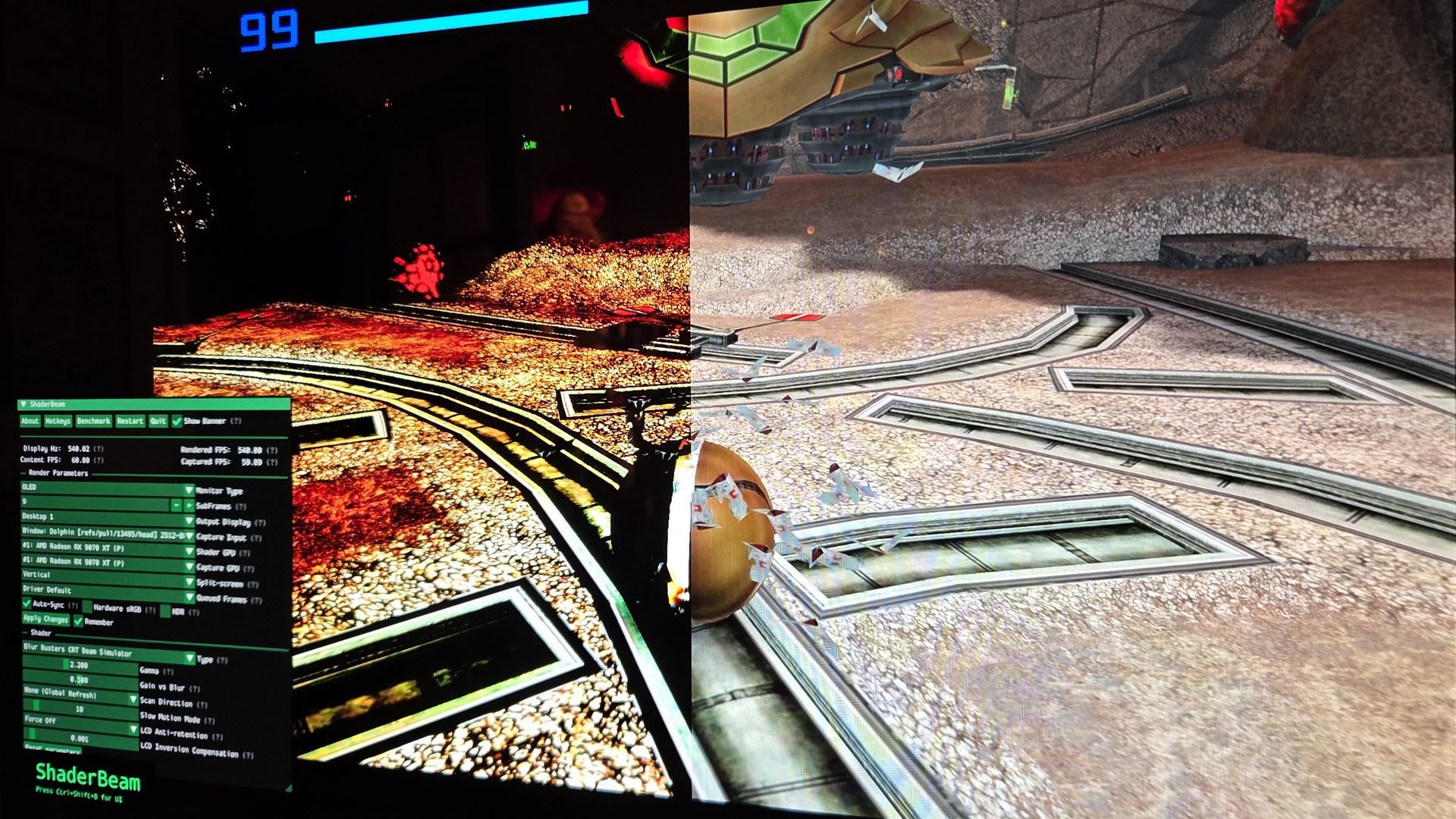
If ShaderBeam "isn't given enough GPU time by the OS to present a frame on time," you'll experience some flashing—which I discovered by pushing my Intel chip's iGPU to output at 1440p at 540 Hz. Then I struggled through consistent stuttering while trying ShaderBeam with various emulators and shooters like Quake and Amid Evil, which led me down the rabbit hole of display subframe timing, where the minutia of monitor technology quickly becomes more and more arcane.
This all might sound like a borderline deranged amount of effort just to play a game like Nintendo's Metroid Prime 2: Echoes in GameCube emulator Dolphin, one of my test cases, the way I first saw it on the CRT in a high school friend's bedroom. I felt like a mad scientist (emphasis on the mad) while trying to troubleshoot stutters, flicker, and color banding for hours on end.
Even when everything is calibrated just right, there's also the possibility a game itself can throw a wrench in things—Unreal Engine 5's penchant for stuttering will naturally throw off the frame pacing of the CRT simulation, too, for example.
But when I started rolling Samus's morph ball in a tight circle and realized the room's columns remained pin sharp even as the camera whirled around, I got a glimpse of what Rejhon and Mausimus have been fighting for. "On moving objects (or the scene if you look around) the shader should allow you to see the individual pixels; normally they all just get blurred out," Mausimus said, using the intricate textures on a Quake column as a prime example. Factorio is another good test case: "It has this really smooth movement of the whole scene when you walk around without the shader, the pixels get blurred together, but with the shader you should still be able to see the details even when moving."
Hard Locked
On top of a vast library of 60 Hz console games, these PC classics would benefit from CRT simulation.
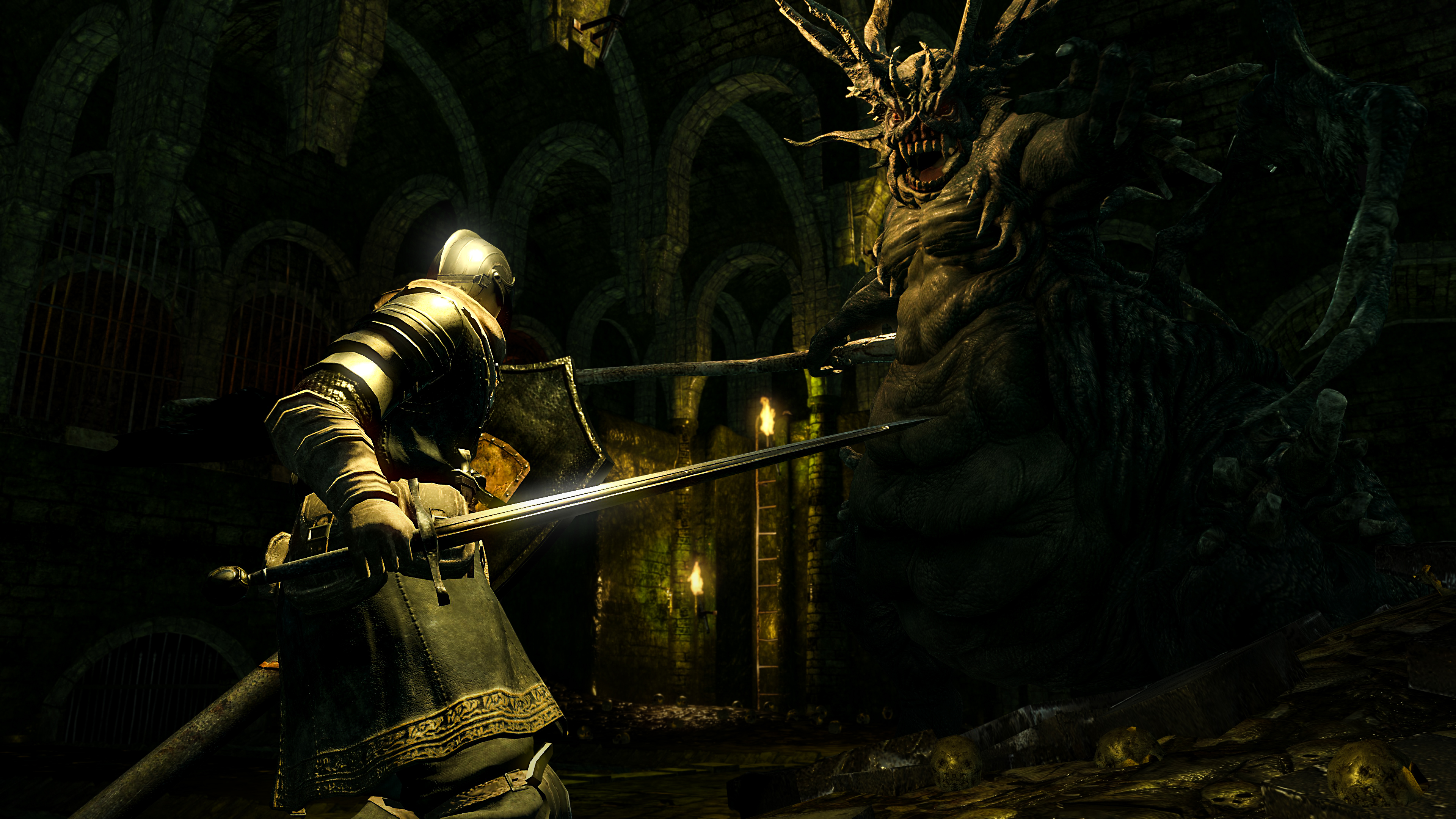
Dark Souls: Remastered
It took until Armored Core 6 for FromSoftware to offer 120 fps support.
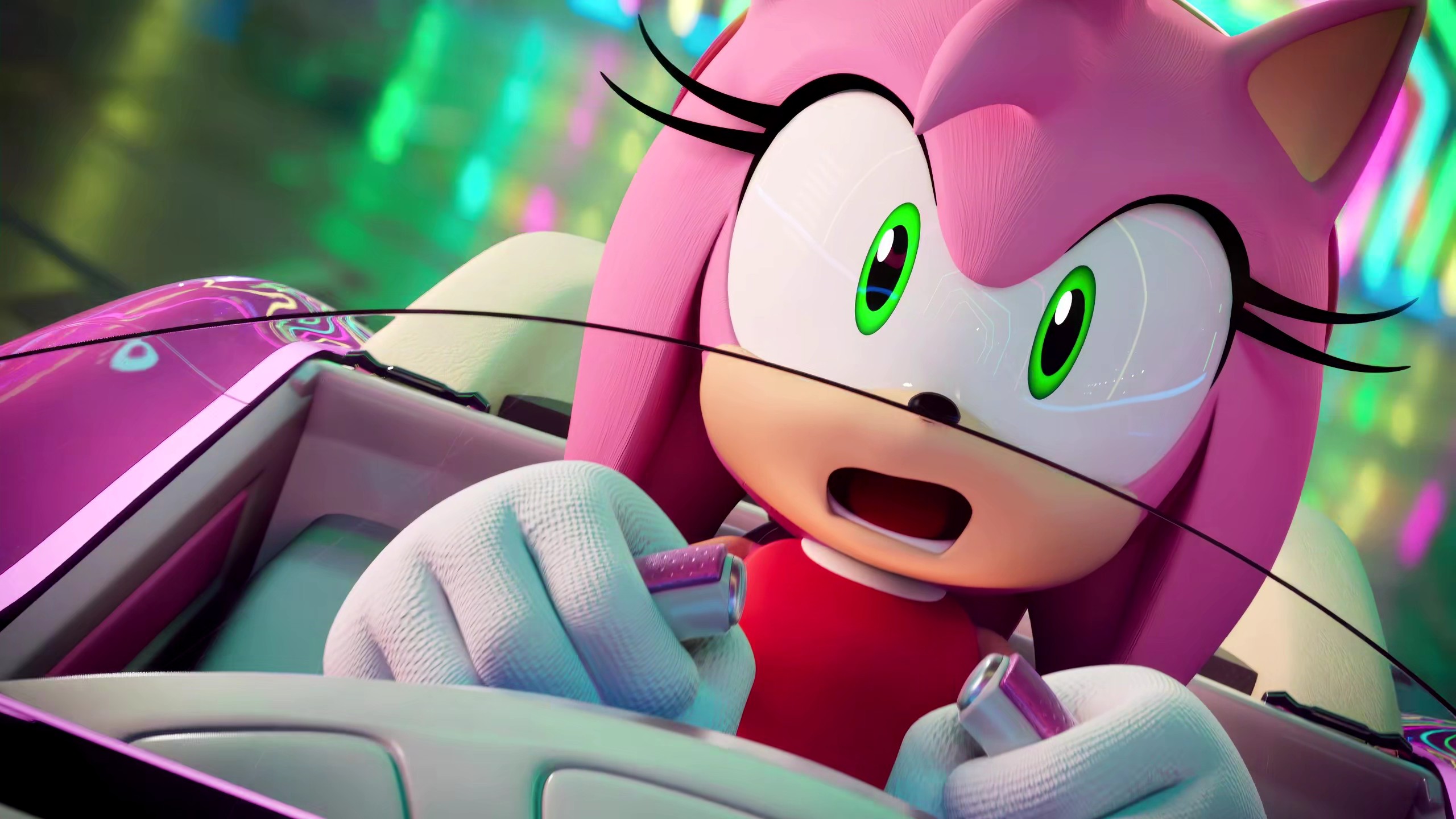
Sonic Racing: Crossworlds
A 2025 racing game capped at 60 fps? No speeding tickets for Sonic, I guess.

Nier: Automata
An action game this good begs for an uncapped framerate. Alas.
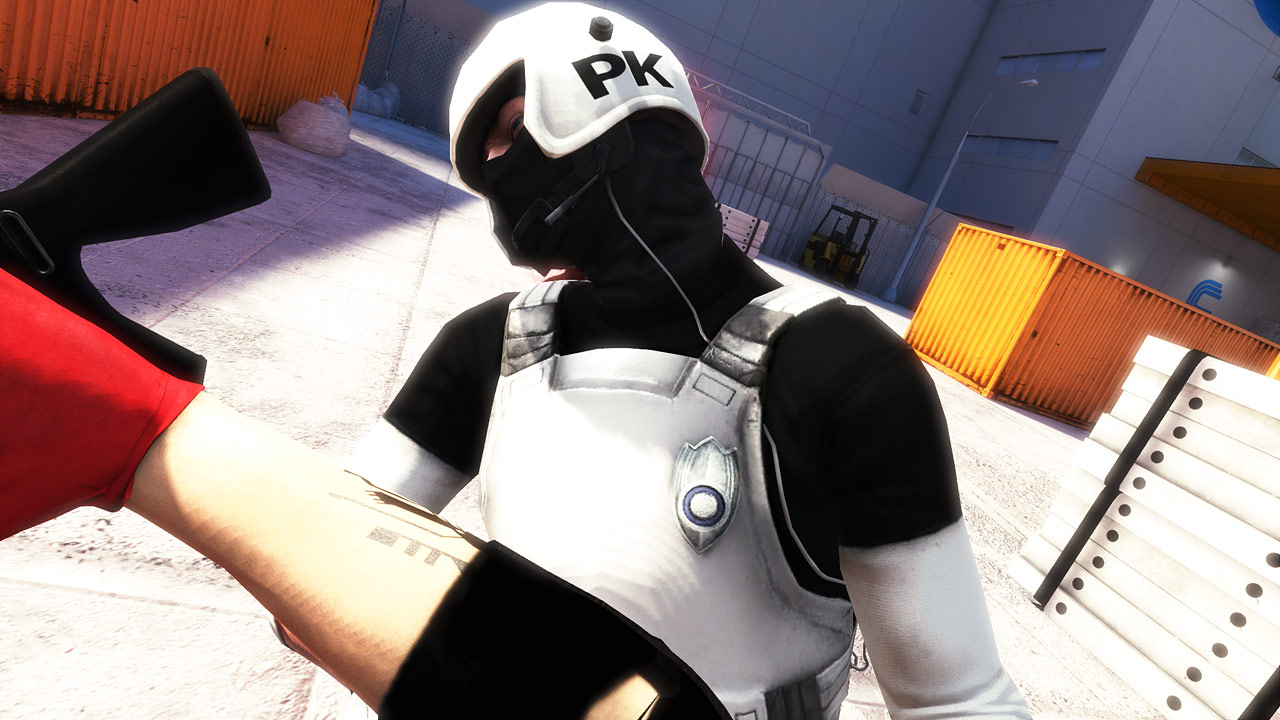
Mirror's Edge
Tweaks exist to uncap Mirror's Edge, but the physics get wonky. Its gleaming cityscape deserves the clarity of a CRT.
It almost feels uncanny once your eyes pick up on details that would normally be just a blur—the difference is as dramatic as switching to a higher refresh rate in a game you've only ever controlled at 30 fps. But it's frustratingly difficult to describe or demonstrate, since capturing the effect on camera is tough and impossible to perceive without a 240 Hz+ display, anyway.
Future vision
As impressive as ShaderBeam is, it ultimately requires a level of fiddling and compromise that I don't think make sense for anyone right now. It intermittently brings back what we left behind when we abandoned CRTs, but ultimately makes me think the real solution is either going to come from new hardware—like the next generation of Nvidia's Pulsar monitors—or from Microsoft digging into the guts of Windows to change some of the stuff that happens in between .exe and screen.
"Even if ShaderBeam's makeshift workarounds never reach levels of consistency needed for wide adoption, the hope is that they will boost users' interest in having this kind of technology properly supported by OS, GPU and display manufacturers," Mausimus said.
Rejhon seems bullish about that eventually coming to pass… but these things take time.
"In the future, when shader hooks are built into operating systems, as well as video-processing GPUs are integrated into the display of the 2030s, it will be much more user friendly," he predicted. "This is part of the advocacy that is being encouraged by Blur Busters' Open Source Display Shaders Initiative."
ShaderBeam's goal of awakening PC gamers to the benefits of CRT simulation worked on me, at least. I'm convinced we have to go back—even if it means dragging the people in charge of graphics drivers back to CRT paradise with us.
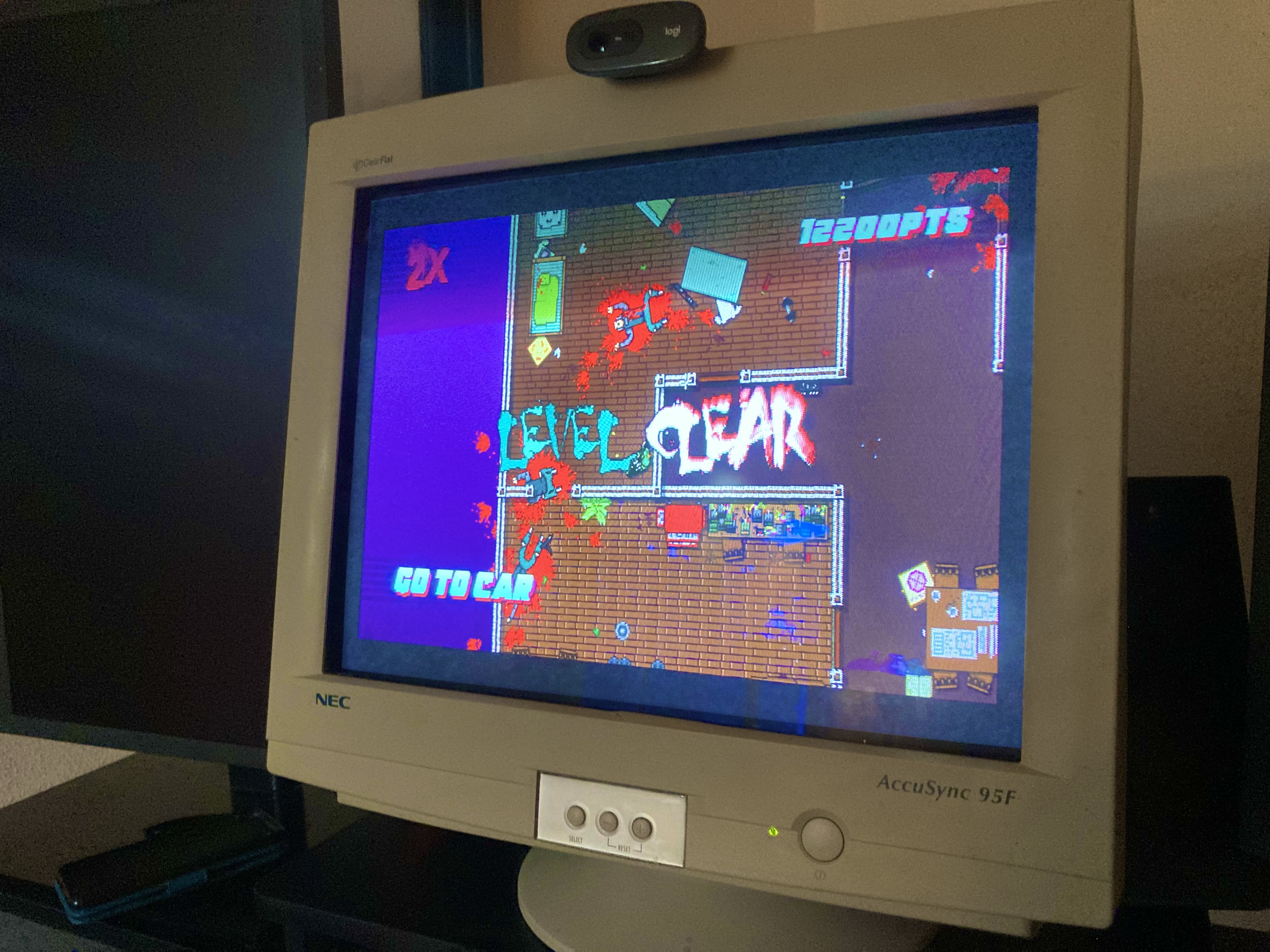
Why you should consider a CRT for your PC gaming setup this year
Despite their bulk, the vivid colors and low latency of a CRT can still make the right PC games look absolutely incredible today.
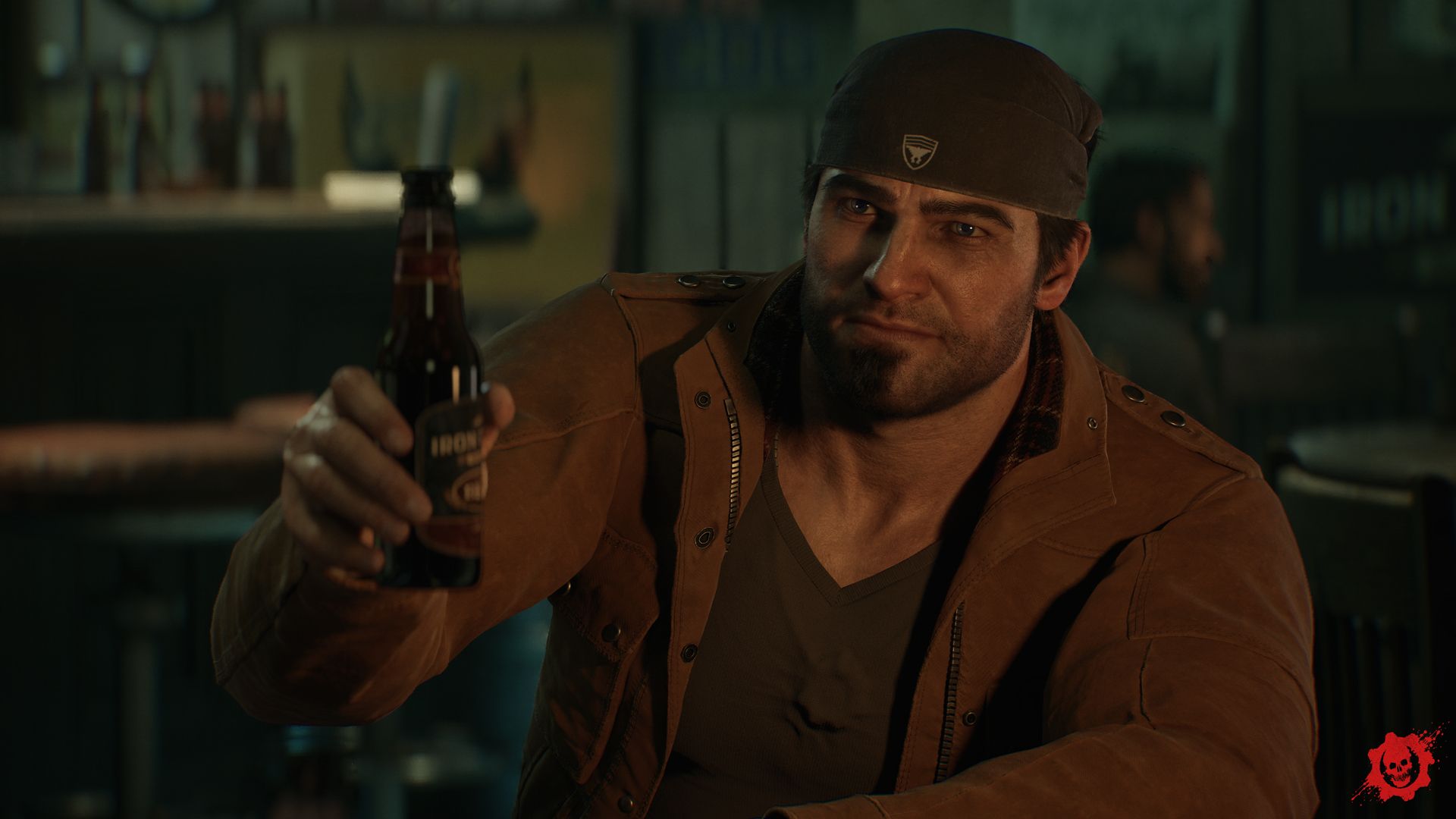
Gears of War E-Day sold just 62k copies on Xbox versus 1.7 million Game Pass players, analyst says
Gears of War: E-Day sales topped 230,000 across Xbox and Steam following an October 1 launch, according to estimates from analyst firm Alinea.
Market analysis head Rhys Elliott reports the Xbox player base is larger than it appears, even if premium sales were dominated by Steam. An estimated 62,000 people bought the game outright on Xbox consoles, with 168,000 buyers on Steam.
SteamDB ownership estimates, which are always fallible and are especially volatile shortly after launch, support this figure, estimating 171,000 to 195,000 owners at the time of writing.
How did a new, highly rated entry in a flagship series sell just 62,000 copies on Xbox in launch week? (Our Gears of War: E-Day review also awards it high marks.) Elliott notes that while Xbox Game Pass is "cannibalising much of the premium revenue," with some 1.7 million estimated players playing E-Day through the subscription service, over 722,000 Game Pass subs also paid for E-Day's premium upgrade.
"So '230K copies' undersells the paying audience," Elliott writes. "Including the 722K upgrades, nearly 950K people actually paid something for E-Day." This brings the game's total estimated sales revenue to around $37 million.
Nevertheless, "The $70 premium SKU is – functionally – dead on Xbox," Elliott argues.
I've reached out to Microsoft for comment on these figures, which remain unconfirmed estimates, and its expectations for E-Day.
As Circana games analyst Mat Piscatella points out online (not in direct response to Alinea's report, but certainly in its orbit), "it isn't straight cannibalism if a person paying for Game Pass plays an offered game through the service."
Many game developers, including several who've worked with or under Microsoft, have criticized the effects Game Pass can have on full-fat sales or the value of games. This year, Microsoft removed new Call of Duty games from the service's day-one offerings, though it stopped short of admitting it was losing too much money on the deal as Game Pass growth failed to meet expectations despite a significant bump from CoD.
However, the assumption that, in a world without Xbox Game Pass, the sales of games like Gears of War: E-Day would be directly boosted by however large their Game Pass audience was doesn't hold up.
"Not every person who plays a game via a sub service would buy that game were it not included in that service," Piscatella notes. We don't, and can't, know exactly how many Game Pass players, or even Game Pass premium upgraders, would've paid full price in this case, but it certainly wouldn't be all of them. We also can't separate the value of any Game Pass subscriptions purchased by people enticed by E-Day – that is, the value-add.
E-Day was once on track to become another multiplatform Xbox game before Microsoft shelved a reportedly near-finished PS5 port to prioritize its home console, even if that means limiting its audience.
Chelsea manager Alonso insists Cole Palmer is committed to playing for England
Palmer pulled out of England squad due to injury
Attacker available for Chelsea’s game with Bournemouth
Xabi Alonso has said Cole Palmer is committed to playing for England and revealed Chelsea’s No 10 missed this international break with a problem related to the groin injury that kept him out for much of last season.
Thomas Tuchel did not hide his disappointment with Palmer, who is fit to face Bournemouth on Saturday, after the attacker made himself unavailable for the start of his country’s Nations League campaign last month. Tuchel said the 24-year-old “misses too many opportunities” to play for England and questioned whether Palmer wanted to be part of the squad.
Continue reading...